

Numeracy gap
52.2%Cannot perform mathematics at Primary Two level.
Explore ↗


Teacher Leaders work with underserved schools to strengthen literacy, numeracy and STEM, helping children learn and thrive.See our impact

Alumni take their classroom experience into education, policy and community action, tackling the barriers that hold children back.Meet our alumni
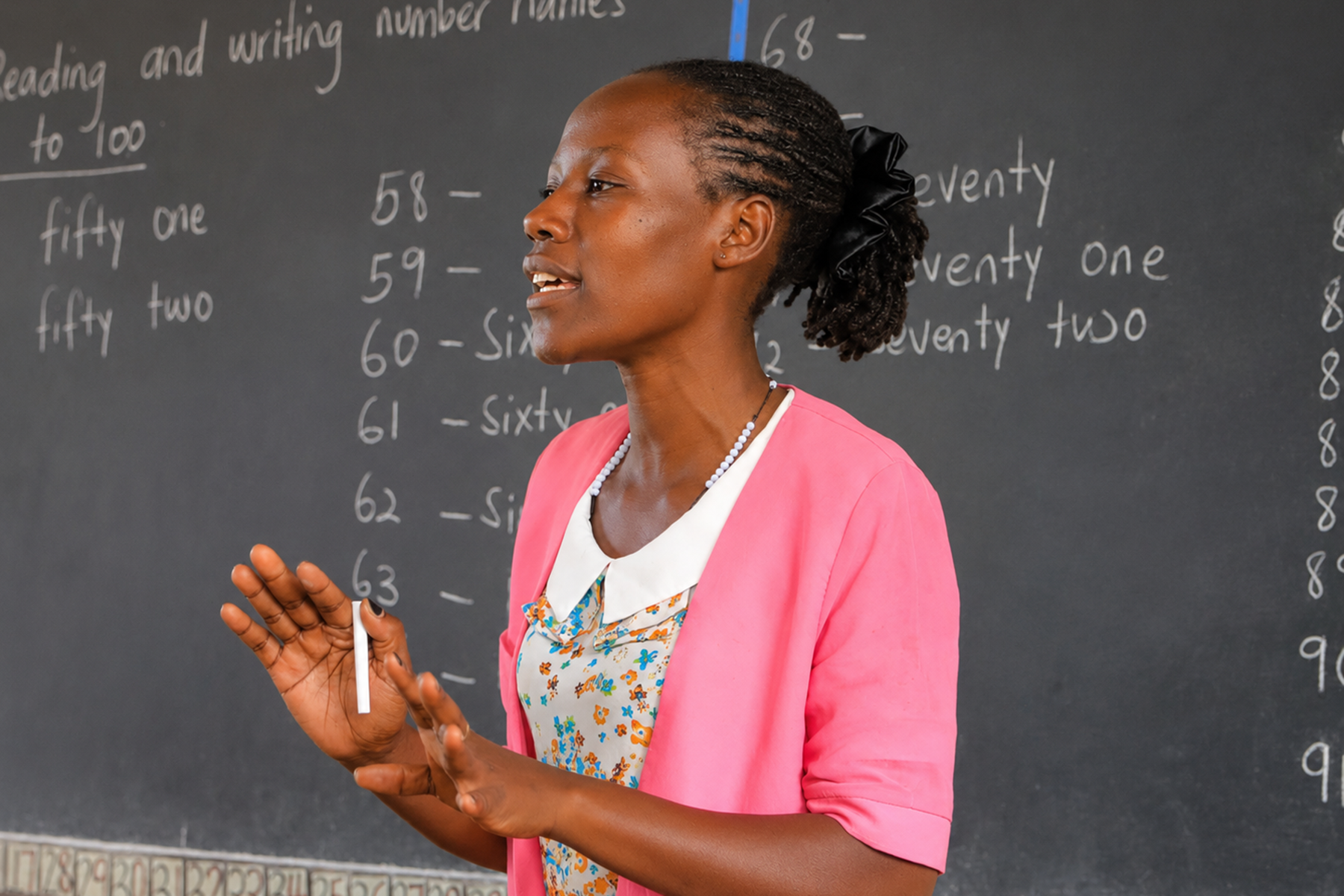
Two years of teaching and leadership. Two pathways: Foundational Literacy & Numeracy (FLN) and STEM. A starting point for lifelong impact.Explore the Fellowship

Too many children are missing the reading, numeracy and STEM skills they need to thrive.
cannot read and comprehend an age-appropriate story.Children in Uganda · 82% at late primary age.
Explore the reading gap ↗Cannot perform mathematics at Primary Two level.
Explore ↗In government-aided primary schools.
Explore ↗Low enrolment, poor performance and high dropout limit opportunities.
Explore ↗Reading: World Bank, Uganda Learning Poverty Brief (April 2024), 82%. The estimate covers late-primary-age children, adjusted for children out of school, using the latest pre-COVID assessment data. “About 8 in 10” is rounded. Read the source.
Numeracy: 52.2%, as reported in Teach For Uganda’s published reflection on Teach For All (June 2026). Teacher–learner ratio: Uwezo National Learning Assessment 2024; government-aided primary schools only. These figures describe different measures and groups.
